Simple Ways to Reduce Household Paper Clutter Today
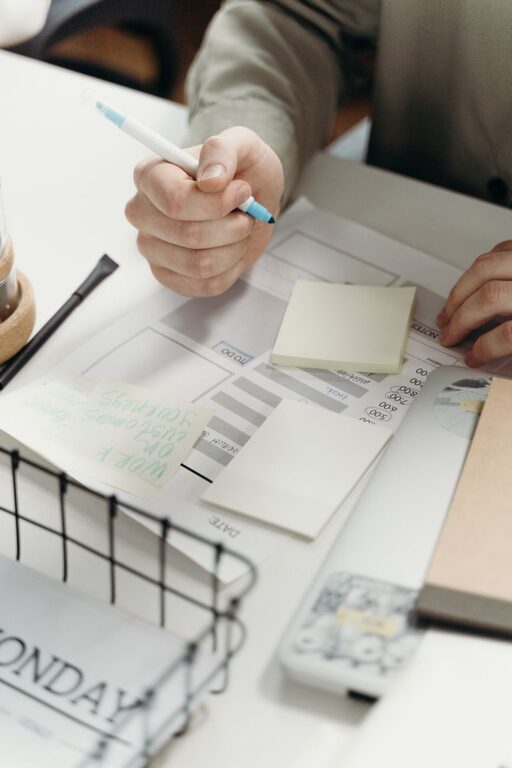
Paper clutter can quickly accumulate in any home, making spaces feel messy and overwhelming. From mail and receipts to school papers and old documents, paper piles tend to grow without us realizing it. Fortunately, reducing household paper clutter doesn’t require a huge effort or expensive tools. With some simple strategies and consistent habits, you can keep your home more organized and stress-free.
Why Reducing Paper Clutter Matters
Paper clutter takes up space and creates visual noise, which can affect your focus and mood. It’s easier to lose important documents or forget bills when everything is mixed in a pile. By managing paper effectively, you’ll save time when searching for items and create a more peaceful environment.
Step 1: Create a Daily Paper Routine
The best way to prevent paper clutter is to handle it as soon as it enters your home.
– Designate a drop zone: Pick a specific spot, like a basket or tray near your entryway, to collect mail and papers.
– Sort immediately: Spend 5-10 minutes a day sorting through your paper pile. Separate items into categories such as bills to pay, things to file, and things to shred or recycle.
– Deal with mail right away: Recycle junk mail before it piles up. Open important mail over your drop zone so you’re not moving papers around unnecessarily.
Step 2: Go Digital Whenever Possible
Switching to digital filing and communication can drastically reduce the amount of paper you bring into your home.
– Use electronic billing: Sign up for paperless statements and bills from your service providers.
– Scan important documents: Use a scanner or smartphone app to digitize receipts, warranties, and tax documents. Store them in organized folders on your computer or cloud storage.
– Keep digital notes: Replace handwritten notes and reminders with apps or digital calendars.
Step 3: Create a Filing System
For paper that you need to keep, an organized filing system is essential.
– Use labeled folders: Sort papers into folders by category such as “Medical,” “Finance,” “School,” or “Home Maintenance.”
– File regularly: Set a weekly or biweekly habit of filing new papers so they don’t pile up.
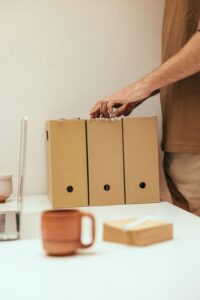
– Keep files accessible: Use a portable filing box or accordion file that fits your space and lifestyle.
Step 4: Use a Binder for Ongoing Projects
If you have papers related to ongoing projects like home renovations, schoolwork, or event planning, a binder can keep everything together.
– Organize by project: Dedicate a binder to each project with tab dividers for sections.
– Add or remove pages easily: Binders allow you to update the contents without creating piles.
Step 5: Shred and Recycle Regularly
Old statements, sensitive documents, and junk mail should not linger in your home.
– Use a shredder: Protect your privacy by shredding documents with personal information before recycling.
– Recycle often: Keep a recycling bin nearby and empty it regularly to avoid overflow.
Step 6: Limit Incoming Paper
Reducing the amount of paper you receive can make a big difference over time.
– Unsubscribe from catalogs: Use services to opt out of unsolicited mail catalogs.
– Choose email receipts: When available, ask for digital receipts at stores and restaurants.
– Consolidate subscriptions: If you subscribe to multiple magazines or newsletters, consider cutting back.
Step 7: Keep a Simple Command Center
A command center helps keep important papers visible and accessible without cluttering your space.
– Include essentials: A calendar, a mail sorter, and a small bulletin board work well.
– Use wall space: Mount organizers or clipboards on the wall to keep papers off counters and tables.
– Review weekly: Use your command center as a hub for managing upcoming deadlines and appointments.
Step 8: Involve the Whole Family
Paper clutter affects everyone in the home, so include family members in the process.
– Assign tasks: Have each person sort their own papers or maintain their own folders.
– Teach habits: Encourage kids to recycle artwork or school notices they don’t need to keep.
– Set family goals: Make paper management a shared family habit with rewards or check-ins.
Final Tips for Staying Organized
– Regularly purge files and binders of old or unnecessary papers.
– Keep your paper management tools simple and easy to use.
– Celebrate your progress as your home becomes less cluttered.
By incorporating these straightforward steps, reducing household paper clutter can become a manageable part of your daily routine. Over time, you’ll enjoy a cleaner home and a clearer mind.