
How to Plan a No-Stress Weekend for Ultimate Relaxation
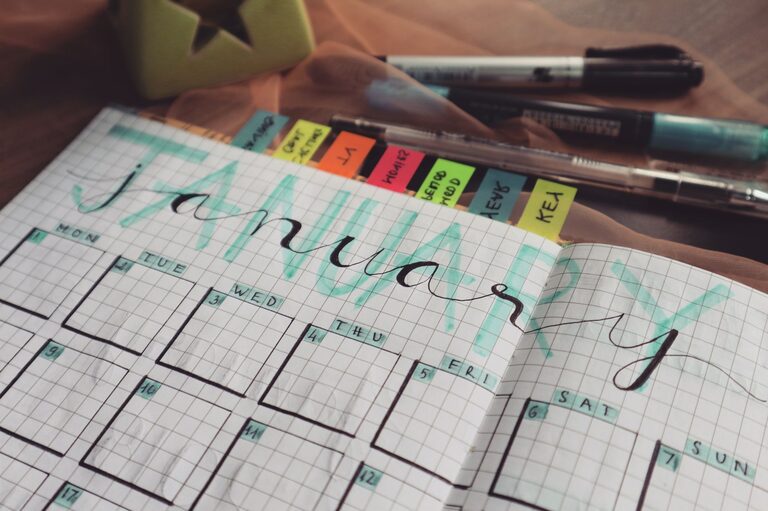
When the weekend rolls around, the last thing most of us want is stress. Instead, a no-stress weekend can help recharge your energy and improve your overall well-being. Planning ahead is key to making your days off truly restful. Here’s a helpful guide to creating a calm, enjoyable weekend free from worries and last-minute chaos.
Why Plan a No-Stress Weekend?
Weekends are valuable opportunities to unwind and reset after a busy week. Without some intentional planning, it’s easy to fill your days with errands or feel guilty for relaxing. Having a clear, flexible plan helps you:
– Reduce anxiety about unfinished tasks
– Prioritize activities you enjoy
– Spend quality time with loved ones
– Improve sleep and mental clarity
Step 1: Set Clear Intentions
Before the weekend begins, take a moment to decide what “no-stress” means to you. Do you want more quiet time, outdoor activities, or social connections? Writing down your goals can guide your decisions.
Questions to consider:
– What would make me feel refreshed?
– How much alone time do I need?
– Are there small tasks that, if done before weekend, would help me relax?
Step 2: Create a Flexible Schedule
A flexible plan helps structure your weekend without pressure. Block out time for rest, hobbies, and socializing—but keep it loose to avoid feeling boxed in.
Sample weekend schedule outline:
– Morning: Leisurely breakfast, light exercise, or reading
– Afternoon: Creative hobby, walk in nature, or time with friends
– Evening: Easy dinner, calming activities like meditation or a bath
Step 3: Prepare in Advance
Doing a few simple things before the weekend can reduce stress and save time:
– Grocery shop or order meals to avoid cooking stress
– Pick outfits and pack bags if you plan to go out
– Finish work tasks or household chores earlier in the week
Step 4: Limit Technology Use
While screens are tempting, excessive device use can add to stress. Consider setting aside specific times for checking emails or social media. Instead, fill your time with calming or enriching activities.
Alternatives to screen time:
– Reading a favorite book
– Journaling or doodling
– Listening to music or podcasts
– Taking a mindful walk
Step 5: Include Relaxing Activities
Choose activities that help you unwind and bring joy. This might be different for everyone, so explore what works best for you.
Relaxing weekend ideas:
– Gentle yoga or stretching
– Cooking a new recipe
– Watching a lighthearted movie
– Spending time in nature
– Practicing mindfulness or deep breathing
Step 6: Practice Saying No
A no-stress weekend often means declining invitations or tasks that feel overwhelming. It’s okay to prioritize your peace of mind and recharge first.
Tips for setting boundaries:
– Politely explain you’re taking time to rest
– Suggest rescheduling social plans if needed
– Avoid overcommitting to weekend chores or errands
Step 7: Reflect and Adjust
At the end of the weekend, reflect on what helped you relax and what could be improved next time. Keeping a small journal or notes can make future weekends even more enjoyable.
Reflection prompts:
– What moments felt most peaceful?
– Were there any stressful triggers?
– How did my mood and energy change?
—
Final Thoughts
Planning a no-stress weekend is all about balance, flexibility, and self-care. By setting clear intentions, preparing ahead, and honoring your needs, you can create weekends that leave you feeling refreshed and ready for the week ahead. Remember, the goal is not to do everything perfectly but to find what helps you truly unwind.
Try these steps this weekend and watch your stress melt away—one relaxing moment at a time.